



- Ripple has entered the top 10 of the Prime Unicorn Index with a valuation exceeding $26 billion.
- Brad Garlinghouse reaffirmed that XRP is not a security following Ripple’s landmark court victory against the SEC.
- The U.S. Securities and Exchange Commission is now considering updated rules for on-chain crypto markets, signaling a shift toward clearer regulation.
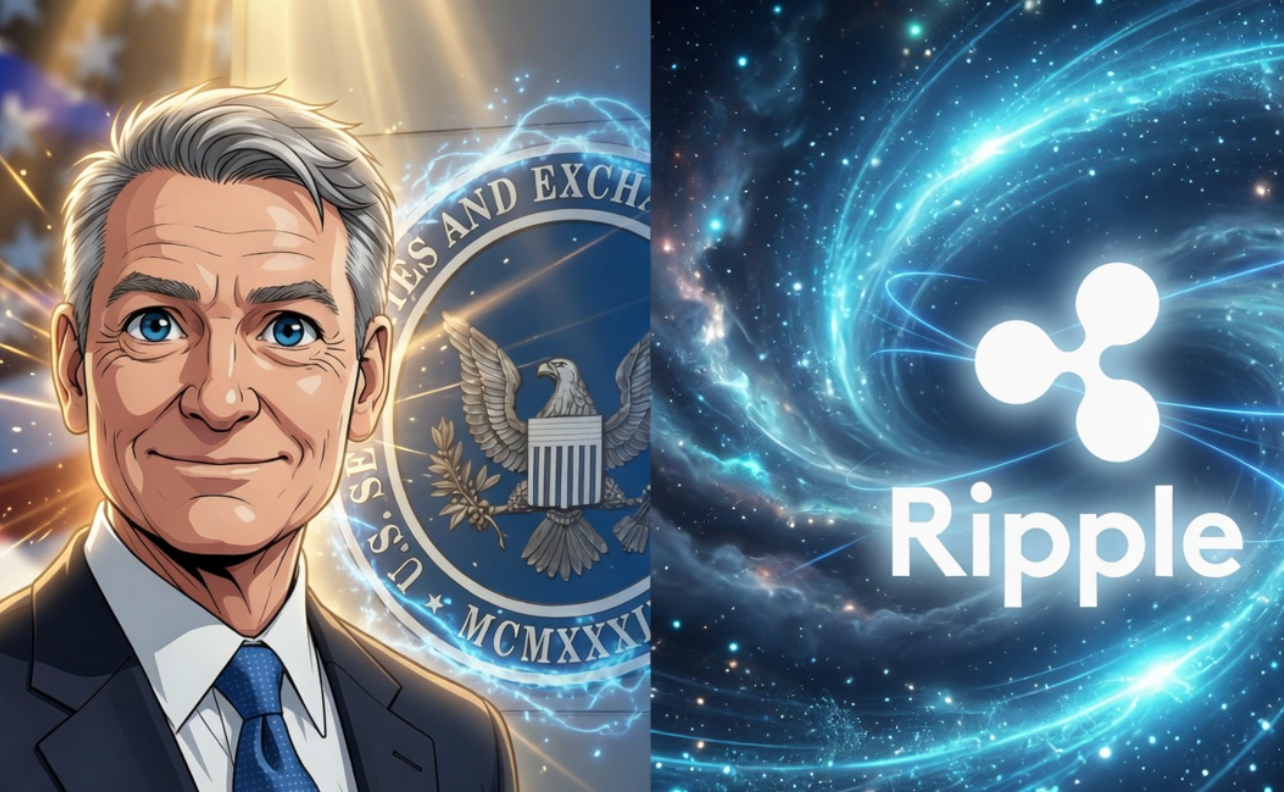
Ripple, the payments giant, has ranked sixth in the Prime Unicorn Index with a valuation north of $26 billion, becoming the only crypto company to crack the top tier alongside SpaceX, OpenAI, and Anthropic.
This move puts traditional finance on notice that Ripple is taking its place among tech heavyweights and is no longer some fringe token shop.
The Prime Unicorn Index tracks America’s biggest private companies valued over $1 billion, and Ripple has locked in sixth place, sitting above most hyped AI and space plays.
According to CoinBureau, no other crypto name even comes near this list. Ripple has built real enterprise rails while everyone else chased memes. That $26 billion Ripple valuation comes from actual adoption, not hype cycles.
Ripple CEO Brad Garlinghouse Says XRP Is Not a Security
Meanwhile, Ripple CEO Brad Garlinghouse has doubled down on the biggest legal win yet. He stated flat-out that XRP itself is “not a security”, a ruling that a federal judge has already made before.
Garlinghouse called it a “key moment for crypto clarity”, which came after the SEC sued Ripple, claiming XRP sales were unregistered securities back in 2020. However, the court has already cleared these allegations.
Garlinghouse has now reminded the market that the asset itself has never been labeled a security. XRP holders waited through the lawsuit fog, and this fresh reminder has them speculating on a price trajectory change.
SEC Chair Signals New Rules for On-Chain Crypto Markets
At the same time, the SEC has signaled it is done playing whack-a-mole as its Chair Paul Atkins said the agency is eyeing updates to how it defines exchanges, brokers, dealers, and clearing agencies when it comes to on-chain platforms and software interfaces.
The old rulebook never fit blockchain, and Atkins has made clear the SEC wants to fix that. Regulators are reviewing how securities laws apply to decentralized markets instead of just suing first and asking questions later.
The XRP crypto has taken body blows from enforcement for years, but this trio of developments (Unicorn ranking, XRP clarity, and on-chain rule talk) has flipped the script. Ripple has gone from courtroom defendant to elite private company in record time.
The same agency that once targeted XRP now talks frameworks. For an industry that once feared a total crackdown, this is a bullish reality check. Ripple and crypto have not just survived— they have leveled up.