




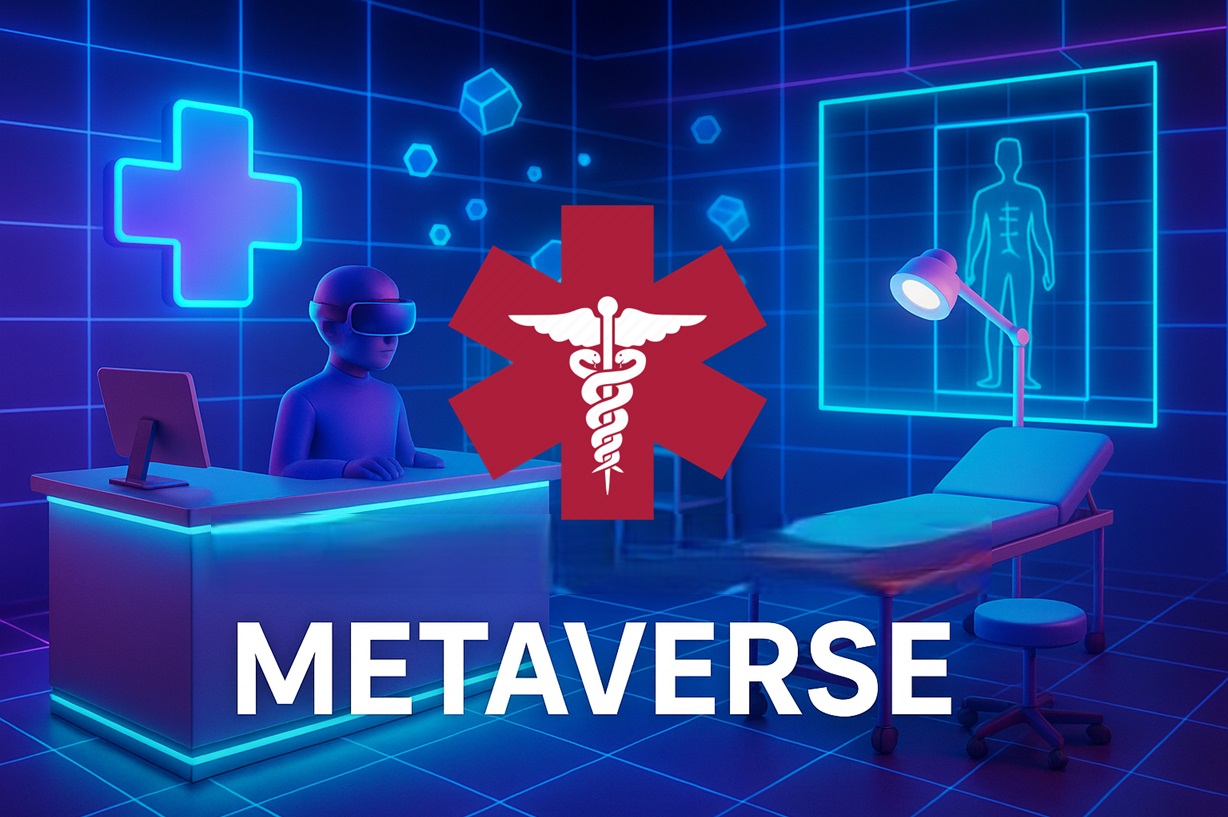
- A new research forecasts a $5.8 billion growth within healthcare services offered in the metaverse market, with a 48.3% CAGR between 2022 and 2030.
A new Market Research Future report indicates a growing trend in the integration of metaverse technology in healthcare services. The New York-based firm tackled how immersive technologies, including virtual reality (VR), augmented reality (AR), blockchain, and artificial intelligence (AI), are catalyzing transformation in the sector.
Healthcare in Metaverse to Reach 48.3% CAGR by 2030
According to MRFR, healthcare in metaverse market has shown significant momentum in the last seven years. Given the trend, it estimates the niche to grow from its $370 million valuation in 2022 to $5.8 billion by 2030. This represents a Compound Annual Growth Rate (CAGR) of 48.3% within the period.

MRFR said the market is the application of healthcare services within an immersive virtual setting. The digital environment facilitates the delivery of remote healthcare solutions, including but not limited to the following:
- Simulated rainings
- Virtual clinics
- Digital therapeutics
- Telemedicine
- Remote surgeries
- Mental wellness consultations
Healthcare in metaverse saw a significant spike in adoption between 2019 and 2020 during the COVID-19 pandemic. From there, it has displayed sustained growth up to the present and is expected to maintain a solid momentum by the end of the decade.
Key Players
Along the way, the study identified the key investments in the healthcare segment of the metaverse. 8Chili, GE Healthcare, Novarad, Meta, Nvidia, Microsoft, and Roblox led the charge in the US. Meanwhile, Brainlab and Siemens Healthineers emerged as leaders in Germany. Other notable mentions were Ireland’s Medtronic and the UK’s gameChange VR.
Siemens, GE, and Roblox were best known for their use in health education simulations. On the other hand, startups like Veyond Metaverse, ImmersiveTouch, and Mindmaze have made their mark in surgery planning, neurological recovery, and teletherapy. All these have been actively forging partnerships with hospitals, universities, and technology platforms to expand their coverage.
Meta Platforms, despite bleeding cash over the years in its metaverse gamble, appears to be making a promising mark with its fusion of AI technology. Meta AI has reportedly become the most widely adopted AI assistant lately. In fact, it’s on its way to reaching one billion users based on Insider Monkey data. In this case, it could see broader use in furthering advancements in healthcare within the metaverse as Meta looks to expand the platform’s online capacity this year with its construction of a two-gigawatt AI data center.